How to Fight Aging Symptoms Bishop's Stortford with HIFU and Morpheus 8
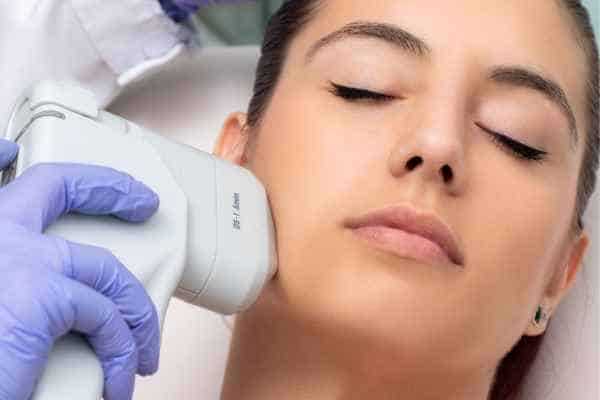
Key Highlights
- HIFU and Morpheus8 are new treatments that do not need surgery. They help with skin problems such as wrinkles, fine lines, sagging skin, and poor texture.
- These methods help increase collagen and elastin production. This results in tighter and smoother skin.
- HIFU uses ultrasound energy to reach deep into the skin. Morpheus8 combines microneedling and radiofrequency energy for better rejuvenation on the skin’s surface.
- Both treatments can be used on the face, neck, and body.
- All our treatments are non surgical and FDA approved with no downtime!
- They have minimal discomfort and downtime. This makes them great options for fighting signs of aging.
Speak to our team today on 03300 101 799
Are you upset by what you see in the mirror – Do you feel like you Fight Aging Symptoms Bishop's Stortford?
Feeling sad about how you look is normal, especially when you compare it to what you hoped for when you were younger. Aging signs, such as fine lines, sagging skin, or uneven skin tone, can make you feel worse. Crow’s feet or deeper wrinkles can lead many people to long for firmer and healthier skin.
New technology offers safe and fresh treatments that make you look and feel great. Options like HIFU can help you stop worrying about signs of aging. These treatments can help you feel young again and reveal your true beauty without the need for surgery. You can say goodbye to those tough moments when you look in the mirror!
Do fine lines and wrinkles effect your confidence? Do you want to Fight Aging Symptoms Bishop's Stortford?
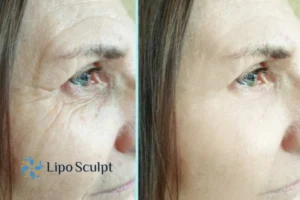
Fine lines and wrinkles can hurt your confidence. They may make you feel uneasy about your appearance. Treatments like HIFU and Morpheus 8 can lessen these signs of aging. This can bring back your youthful look, raise your self-esteem, and help you feel good about yourself.
Learn more about the power of Morpheus 8 & HIFU Combined!
Are you considering a surgical procedure to Fight Aging Symptoms Bishop's Stortford?
For many people, the idea of having surgery to fix signs of aging might seem like the only choice. Options like facelifts and eyelid surgeries can make a big difference. However, these surgeries usually take a long time to heal, can be very costly, and have risks of complications. This can make people feel anxious, leading them to look for easier and less invasive treatments that can work well too.
Non-surgical options, like HIFU and Morpheus8, can provide results that are like surgery. The best part is that they don’t have the risks and discomfort of surgery. Both treatments use advanced technology to tighten your skin, improve texture, and refresh your look safely. They focus on signs of aging. You can enjoy natural-looking results with little downtime and feel comfortable throughout the process. Now, you don’t have to pick surgery first for your anti-aging needs.
There is another safer way to Fight Aging Symptoms Bishop's Stortford!
Getting older doesn’t mean you have to deal with skin issues. There are safer solutions based on science. These options take little or no downtime, making them quicker than surgery. Treatments like HIFU and Morpheus8 provide excellent results without needing invasive procedures.
HIFU and Morpheus8 use ultrasound and radiofrequency technology. They help grow collagen and elastin. These treatments can reduce wrinkles, tighten your skin, and improve its tone. You can focus on certain areas like sagging jowls or deep wrinkles. With their safe and trusted technology, you can achieve a youthful look while feeling comfortable. Aging doesn’t have to take away your vibrant and fresh skin!
Understanding HIFU and Morpheus 8 Technologies To Fight Aging Symptoms Bishop's Stortford
HIFU and Morpheus8 are two recent ways to improve your skin. HIFU uses ultrasound energy. It gently penetrates deep into the skin. This method focuses on the structural tissues. As a result, it helps boost collagen production. This leads to skin that is tighter and lifted.
Morpheus8 is a treatment that combines microneedling and radiofrequency energy. The radiofrequency energy helps boost collagen. This can improve skin texture and tone. Both treatments are effective in reducing signs of aging. They can help with sagging skin, wrinkles, and uneven texture. These new treatments change how we view non-invasive beauty options!
What is HIFU?
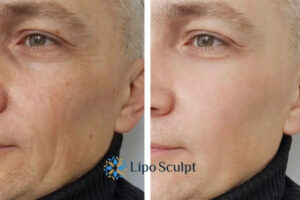
HIFU, which stands for High-Intensity Focused Ultrasound, is a new technology. It uses ultrasound energy to reach the deep layers of the skin. This energy goes beyond the surface and targets the SMAS layer. It generates controlled areas of heat. This heat tightens the tissues and boosts collagen production. As a result, the skin feels firmer.
This procedure is approved by the FDA and is great for lifting the face. It can help to reduce stubborn wrinkles and refresh the skin naturally, all without any surgery. HIFU delivers effective results often after just one or two sessions. A lot of people pick this choice to battle signs of aging.
This treatment makes you look young for a long time. It safely refreshes the deep layers of your skin. It helps reduce fine lines and improves your face’s shape. HIFU is also great for bringing back brightness. It keeps your complexion smooth as you age.
See Our Before & After HIFU Results Here!
Key Features of Morpheus 8
Morpheus8 is a unique treatment that combines microneedling and radiofrequency energy. It uses small needles to gently place controlled heat into the skin. This process boosts collagen production and improves elasticity. In turn, it helps reduce skin laxity, lessens scars, and makes the skin feel firmer and smoother.
One big benefit of Morpheus8 is that it can be customized. It can reduce wrinkles on the face or stretch marks on the body. Because it can work in many areas, it is a great option for skin rejuvenation.
Morpheus8 can treat various layers of tissue in the skin. It helps improve skin texture and tone. This gives a youthful and shaped look. The system uses radiofrequency energy, which offers quick and lasting benefits. Because of this, clients of all skin types can get natural-looking results.
Benefits of Combining HIFU and Morpheus 8 for Anti-Aging
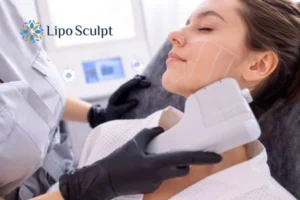
When HIFU and Morpheus8 are used together, they form a strong solution to fight aging. HIFU goes deep into the skin. It helps lift and tighten sagging areas. Meanwhile, Morpheus8 focuses on the top layer of the skin. It improves its tone, texture, and elasticity.
This mix helps get better results by working on different layers of the skin. It boosts collagen and elastin production. This means your skin will feel firmer and smoother. There is very little downtime, and you can enjoy many benefits. All these treatments together give you a fantastic refresh. You will feel great showing off your new look!
See our latest Prices & Promotions For HIFU & Morpheus 8 Combined
Enhanced Skin Tightening
The mix of HIFU and Morpheus8 gives great skin-tightening results. HIFU uses ultrasound energy to go deep into the skin’s SMAS layer. This helps to increase collagen production. Meanwhile, Morpheus8 works on the surface, promoting the development of new collagen and elastin.
This mix quickly lifts your skin and keeps it firm as time goes by. When collagen production increases, elastin fibers begin to grow once more. This helps reduce sagging skin and brings back a younger feel. Clients see tighter skin in their face, neck, and other areas.
These two treatments help all layers of the skin to battle aging well. When you use them together, they give better results than using just one alone. Clients feel smoother shapes and better skin texture because of these careful methods that are based on science.
Improved Texture and Tone
By using HIFU and Morpheus8 together, people can enjoy smoother skin and an even tone. HIFU uses focused ultrasound energy to refresh the deeper layers of tissue. Morpheus8 combines microneedling with radiofrequency energy. This helps smooth out the skin’s surface. As a result, it can reduce scars, fine lines, and uneven texture.
These treatments help the body make more collagen and elastin. This boosts skin tone and texture. Because of this, the skin looks more even in color and brighter. It also creates a healthier glow.
This mix provides a good way to get smoother skin that looks bright and healthy. It works well for people who want to tackle several skin concerns in one treatment. This helps create a fresh look that can go beyond your expectations.
Treatment Areas for HIFU and Morpheus 8
HIFU and Morpheus 8 focus on different areas and help with various skin concerns. They mainly treat the face, from the forehead to the chin, where fine lines and wrinkles form. The neck and chest can also benefit from these treatments because they boost collagen production. This helps improve skin texture and tightens loose skin. Both treatments use modern technologies to support the production of new collagen. This leads to a smoother and more youthful appearance that fits your individual needs.
Find Your Nearest Clinic HERE!
Facial Regions: Forehead to Chin
The area from your forehead to your chin has several parts that can show signs of aging. This includes fine lines, wrinkles, and less elasticity. HIFU and Morpheus 8 are great options for treating these problems. They use ultrasound and radiofrequency energy to increase collagen production. This smart technology goes deep into the skin layers. It helps with skin tightening and rejuvenation. The treatment also improves skin texture and helps reduce stubborn fat. This gives you a more youthful appearance. These treatments can be tailored to meet individual needs while providing clear results.
Neck and Décolletage
Taking care of your neck and chest area can really improve your look. These parts of your body can show early signs of aging, such as fine lines and loose skin. HIFU and Morpheus 8 are treatments that focus on these areas. They use ultrasound and radiofrequency energy to boost collagen production in the skin. This modern method helps to improve your skin texture and elasticity, giving you a more youthful appearance. Adding these treatments to your skincare routine can refresh the treated area. This technique also lowers downtime and the risk of side effects.
Step-by-Step Process of a Combined Treatment
Consultation starts your journey. A healthcare worker will look at your individual needs. They will talk about issues like fine lines and skin laxity. After that, you’ll get a detailed personalised treatment plan. This plan will explain how HIFU and Morpheus 8 will be used.
During the treatment session, ultrasound and radiofrequency energy are directed at the areas you want to improve. This helps produce more collagen and tightens your skin. After the treatment, it’s important to take good care of your skin. This supports healing and reduces downtime, so you can get back to your normal activities quickly. As a result, you will have smoother and firmer skin.
Consultation and Planning

A good consultation is very important for effective treatment. In this first step, experts look at each person’s individual needs. They talk about skin concerns like wrinkles, fine lines, and skin laxity. A personal treatment plan usually includes HIFU and Morpheus 8. This plan focuses on areas such as the forehead, jowls, and neck. It’s important to understand how radiofrequency and ultrasound energy work together. This can help create plans that boost collagen production. This step is crucial for getting the best results. Having realistic expectations for healing is also important for success.
During the Treatment Session
The new treatment session uses both HIFU and Morpheus 8. It focuses on the deep layers of the skin. This treatment effectively boosts collagen production. During the session, ultrasound and radiofrequency energy work together. They help firm and refresh the skin. This can reduce the appearance of fine lines and wrinkles. Most patients feel only slight discomfort, making it a good choice. The treatment is tailored to meet individual needs. This way, it can tackle specific skin concerns. Plus, patients can return to normal activities soon after the session ends.
Post-Treatment Care and Recovery
Caring for your skin after the procedure is very important. It helps with skin rejuvenation and recovery. Make sure to keep your skin moisturized. Use a gentle sunscreen to protect the new collagen from sun damage. For a few days, try to avoid intense workouts and direct heat. This will help reduce discomfort and irritation. Stick to light skincare routines to let your skin regain its elasticity naturally. By following these tips, you will see better results and get a more youthful appearance.
Using new technologies like HIFU and Morpheus 8 is a good choice for people who want to improve their skin and reduce signs of aging. These treatments target the deeper layers of the skin. They help the skin produce new collagen and elastin. This can reduce problems such as fine lines and loss of elasticity. With a personalized treatment plan, people can get smoother skin, a better skin tone, and a more youthful appearance. This can help increase their confidence in daily life.
Speak to our team today for all queries on 03300 101 799
How long does each treatment session last?
Each HIFU and Morpheus 8 treatment typically lasts from 30 to 90 minutes. The duration depends on the areas you wish to treat. The time can also change based on your individual needs and the treatment plan discussed during the consultation.
Are there any immediate side effects?
After HIFU and Morpheus 8 treatments, patients might feel some side effects. The most common ones are mild redness, swelling, or tenderness in the treated areas. These side effects usually go away pretty quickly. This allows people to return to their normal activities with little downtime.
Can HIFU and Morpheus 8 be used on all skin types?
Yes, HIFU and Morpheus 8 are effective for many skin types, even sensitive skin. However, it’s best to consult a professional. This can help you understand your skin’s condition better. They can guide you to get good results and reduce side effects. Always ask an expert for advice before you start.