If you have areas of stubborn fat around your thighs that have not changed much despite maintaining a healthy lifestyle, you may have come across CoolSculpting or cryolipolysis, commonly described as “fat freezing”.
Cryolipolysis is a non-surgical body-contouring technique that uses controlled cooling to affect fat cells in a specific treatment area beneath the skin. It is intended for localised fat reduction rather than weight loss. [1]
For someone considering treatment for their legs, the important question is not simply whether fat freezing works. It is whether it is appropriate for your particular area, what sort of change is realistic and whether the potential benefits outweigh the limitations.
What is cryolipolysis for the legs?
Cryolipolysis is designed to target a localised pocket of subcutaneous fat. The treatment uses controlled cooling at the skin’s surface to affect fat cells beneath it.
CoolSculpting is a specific branded cryolipolysis system. Cryolipolysis is the broader treatment technique, so evidence about cryolipolysis generally should not automatically be interpreted as evidence for every device or applicator. See Here: Does Fat Freezing at Home Work? DIY Devices vs Professional Cryolipolysis
Clinical research has reported reductions in localised subcutaneous fat following cryolipolysis, although the amount of change can vary depending on the individual, treatment area and treatment protocol. [2]
It is therefore better thought of as a body-contouring treatment, rather than a way of losing weight.

How does fat freezing work?
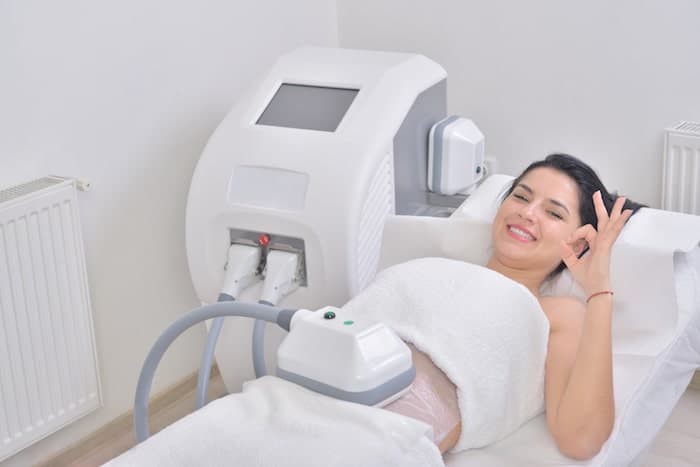
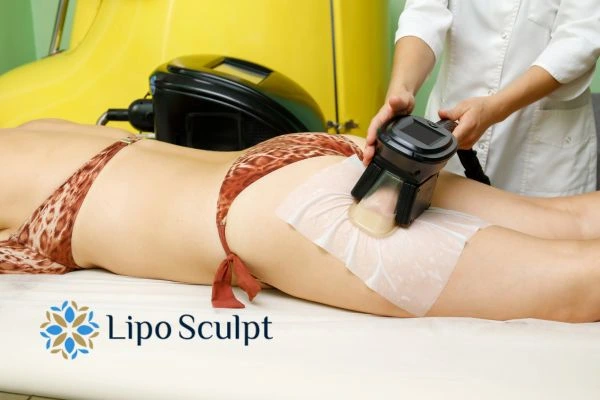
During treatment, an applicator is positioned over the selected area and controlled cooling is applied.
The aim is to affect fat cells while limiting injury to the surrounding tissue. The treated cells are then gradually cleared by the body’s normal processes over time.
This is why the result is not immediate. Your legs may look much the same immediately after treatment, and temporary swelling, redness or other changes can occur before the area settles.
Research suggests that changes are generally assessed weeks to months after treatment rather than immediately. [2][3]
Who may be suitable for leg cryolipolysis?
Cryolipolysis may be considered by adults who are generally healthy and have a localised, pinchable area of fat that they would like to contour.
It is not intended to treat obesity or replace weight management through nutrition and physical activity. [1]
Suitability depends on factors including:
- the amount and location of fat
- skin condition and elasticity
- the shape and anatomy of the treatment area
- your expectations
- relevant medical history
- whether another treatment would be more appropriate
A consultation Bishop's Stortford should therefore assess the area rather than assuming that every concern about the legs is caused by excess fat.
What happens during treatment?
The treatment area is assessed and marked before the applicator is positioned.
Depending on the applicator and treatment area, you may experience pulling or pressure as well as an intense cold sensation when treatment begins. These sensations generally change as the area becomes numb. Tingling, aching, cramping or discomfort can also occur. [4]
One advantage of cryolipolysis compared with surgery is that there is no incision involved. However, “non-surgical” does not mean completely risk-free.
What are the side effects and risks?
Temporary redness, swelling, bruising, tenderness, firmness, tingling and altered sensation can occur following cryolipolysis. Sensory changes can sometimes last for several weeks. [4]
There are also less common complications that should be discussed before treatment.
One particularly important risk is paradoxical adipose hyperplasia (PAH). Instead of becoming smaller, the treated area develops a firm enlargement. The FDA notes that this can appear several months after fat-freezing treatment and may require surgical correction. [5]
Cryolipolysis is also not appropriate for everyone. For example, the CoolSculpting safety information states that people with cryoglobulinaemia, cold agglutinin disease or paroxysmal cold haemoglobinuria should not receive the treatment. Other medical conditions, circulation problems, cold sensitivities or skin conditions may also affect suitability and should be assessed before treatment. [4]
If you have an unexplained lump, swelling, pain, skin change or other medical concern affecting your leg, cosmetic treatment should not be used as a substitute for medical assessment.
When will you see results?
Cryolipolysis does not produce an instant change.
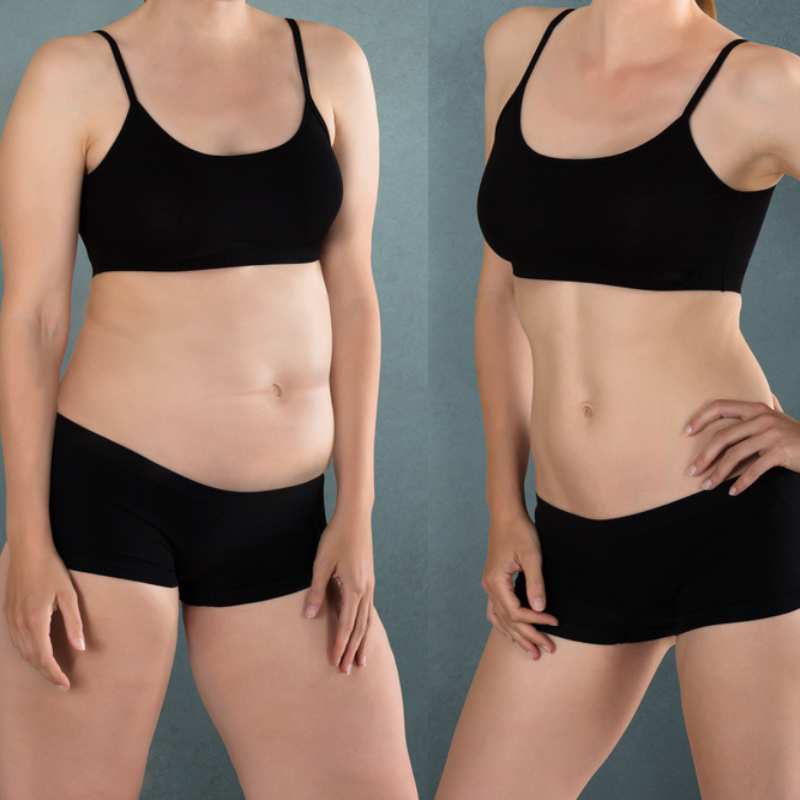
Some people notice a difference after several weeks, while further changes may become apparent over the following months. Research commonly assesses outcomes around the three-month point. [2][3]
The amount of visible change depends on the individual, the treatment area and the amount of fat being treated. A consultation Bishop's Stortford should therefore focus on realistic improvement rather than promising a particular result.
You may also require more than one treatment depending on your goals and assessment.
What can cryolipolysis actually achieve?
The treatment may be considered where someone is concerned about the appearance of a localised fat deposit.
It is not designed to:
- produce major weight loss
- replace exercise or nutritional changes
- remove loose skin
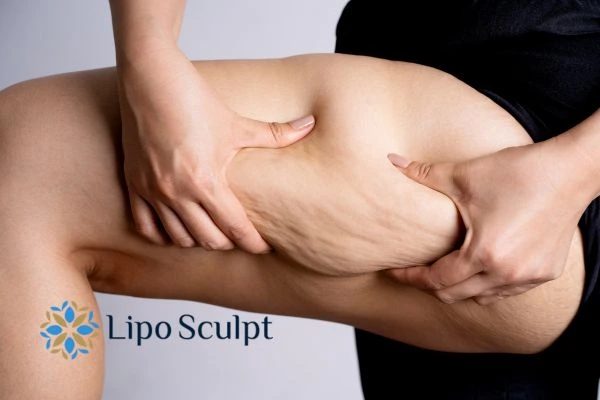
- treat every type of cellulite
- dramatically reshape the entire leg
- guarantee symmetrical results
This distinction matters. Someone whose main concern is loose skin may be better suited to a skin-tightening approach, while someone with a significant amount of excess tissue may need to discuss surgical options with an appropriately qualified clinician.
Cryolipolysis vs liposuction for the legs
Cryolipolysis and liposuction are fundamentally different treatments.
Cryolipolysis is a non-surgical approach that targets localised fat and aims to reduce its appearance gradually. Liposuction is different, as it is a surgical procedure that removes fat directly from the body.
Neither should automatically be described as “better”. The appropriate option depends on the person’s anatomy, goals, expectations, health and tolerance for surgery and recovery.
Someone seeking a modest change in a small localised fat pocket may wish to discuss non-surgical options, while someone seeking a more substantial change may need to discuss surgical options with an appropriately qualified clinician.
Is cryolipolysis right for your legs?
The best starting point is an honest assessment of what is actually bothering you.
Is it a small area of localised fat? Is the main concern skin laxity? Is cellulite the issue? Or has the shape of the leg changed for another reason?
A good consultation Bishop's Stortford should help answer those questions rather than simply recommending treatment.
Before proceeding, ask:
- What exactly is being treated?
- Am I a suitable candidate?
- What degree of improvement is realistic?
- What side effects should I expect?
- What are the alternatives?
- What happens if I do not achieve the result I want?
Frequently asked questions
Q: Is CoolSculpting for legs a weight-loss treatment?
No. Cryolipolysis is intended for localised body contouring, not general weight loss. [1]
Q: How long does it take to see results?
Changes develop gradually. Research on body-contouring treatments generally assesses outcomes several weeks to a few months after treatment, so immediate results should not be expected. [2][3]
Q: Is fat freezing painful?
You may experience strong cold, pulling, pressure, tingling, aching or cramping during or after treatment. Individual experiences vary. [4]
Q: Can cryolipolysis remove cellulite?
Not necessarily. Cellulite involves changes in the skin, connective tissue and underlying fat. Reducing a localised fat bulge does not mean that cellulite will be eliminated.
Q: Are the results permanent?
Cryolipolysis is intended to reduce fat in the treated area, but this does not prevent changes in body shape if your weight changes. Results should therefore be viewed as body contouring rather than permanent protection against future weight gain.
Q: Is cryolipolysis suitable for everyone?
No. Certain medical conditions and cold sensitivities can make treatment unsuitable. A proper assessment is important before proceeding. [4]
Q: Should I choose cryolipolysis or liposuction?
That depends on your goals, anatomy and suitability. Cryolipolysis is non-surgical and gradual; liposuction is surgical and can remove a greater amount of fat. A qualified professional should discuss the options with you.
References & Further Reading
[1] U.S. Food and Drug Administration (FDA). K133212 – CoolSculpting System 510(k) Summary. 2014.
Supports information about the device’s intended use for non-invasive fat reduction/body contouring in specified treatment areas.
[2] Derrick CD, Shridharani SM, Broyles JM. The Safety and Efficacy of Cryolipolysis: A Systematic Review of Available Literature. Aesthetic Surgery Journal. 2015.
Supports evidence concerning the safety, efficacy and outcomes of cryolipolysis for localised subcutaneous fat reduction.
[3] Ravindran R et al. Cryolipolysis and associated health outcomes, adverse events, and satisfaction: A systematic review and meta-analysis. Obesity Reviews, 2025.
Supports evidence concerning treatment outcomes, assessment timing, adverse events and patient satisfaction.
[4] CoolSculpting. Important Safety Information / Q&A.
Supports information about treatment sensations, potential side effects, contraindications and suitability.
[5] U.S. Food and Drug Administration (FDA). Non-Invasive Body Contouring Technologies.
Supports information about the limitations and potential complications associated with non-invasive body-contouring procedures, including paradoxical adipose hyperplasia.
For more information, please call us on 03300101799.